Catamaran Tour Maui
Maui is the second largest island of the Hawaiian archipelago and lies between Molokai and the Big Island in the central Pacific Ocean. Known for its volcanic landscapes, seasonal whale migrations, and clear coastal waters, the island offers very different environments depending on the shore you explore. Because many reefs and marine habitats are located just offshore, sailing trips have become a key activity here. A catamaran tour allows visitors to experience Maui beyond its beaches, combining ocean scenery, wildlife encounters, and access to snorkeling areas only reachable by boat.
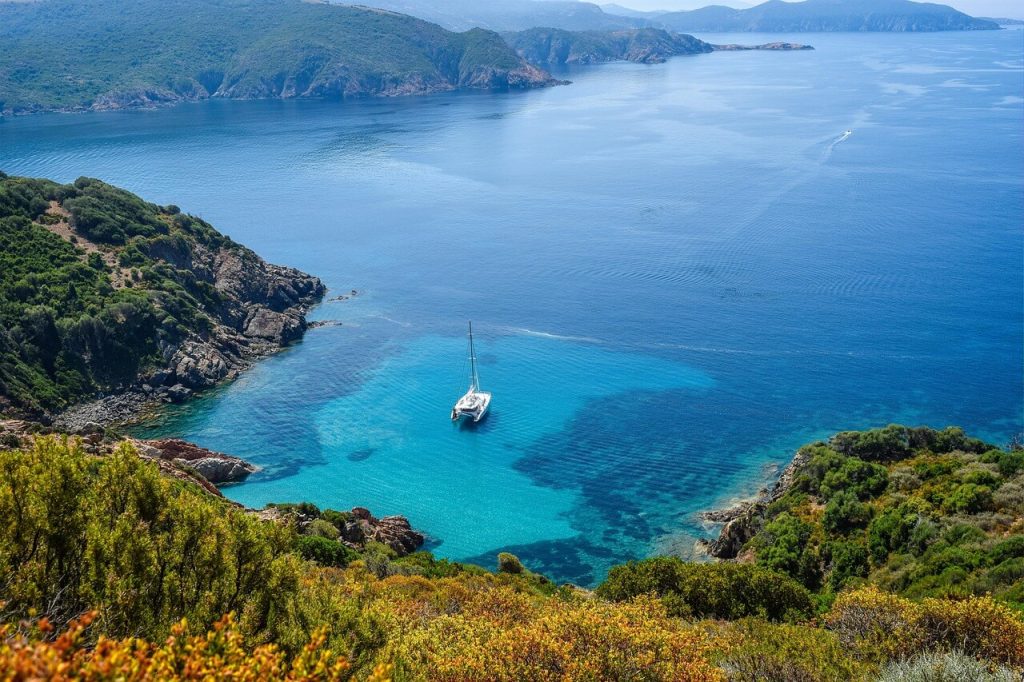
Why choose a catamaran experience in Maui ?
Unlike destinations where boat tours focus mainly on relaxation, Maui’s ocean excursions are closely tied to marine life and geography. The channels between the islands create nutrient rich waters that attract fish, turtles, and large marine mammals.
One of the most famous experiences occurs during winter months when humpback whales migrate to Hawaii. Catamaran tours often encounter them during navigation, sometimes at close but regulated distances. Even outside whale season, dolphins and sea turtles are frequently seen along the coast.
Another unique feature is the variety of landscapes visible from the sea. West Maui offers volcanic cliffs and calm bays, while the southern coast near Wailea provides sandy coves and reefs ideal for snorkeling. Because distances between points are short, tours can combine sailing and swimming without long travel times.
Catamarans are particularly suited to these conditions. Their wide design offers stability in open channels, making them more comfortable than smaller boats when crossing between bays or islands.
The different types of catamarans found in Maui
Several styles of excursions exist, each adapted to different interests and times of day.
Snorkeling tours to Molokini Crater
The most iconic trip is the journey to Molokini, a crescent shaped volcanic crater partially submerged offshore. The protected waters inside the crater are known for visibility and abundant marine life. Tours typically depart early in the morning when the ocean is calmest, allowing comfortable snorkeling conditions.
Turtle reef and coastal snorkeling cruises
Shorter trips stay closer to the coastline and visit reef areas where sea turtles are often observed. These tours require less navigation time and are a good option for families or travelers who prefer a relaxed pace.
Whale watching sailing trips
From roughly December to April, many catamaran tours focus on observing humpback whales. Instead of swimming stops, the itinerary prioritizes slow navigation and multiple viewing opportunities as whales surface around the vessel.
Sunset sailing experiences
Evening tours highlight scenery and atmosphere rather than water activities. As the sun sets behind neighboring islands, the ocean reflects warm colors and the pace becomes quieter. These cruises often include drinks or light refreshments and appeal to couples or travelers ending the day on the water.
What to expect during the experience in Maui catamaran ?
Most catamaran tours depart from harbors on the west or south coast, such as Lahaina or Maalaea. Boarding is straightforward and safety instructions are brief before leaving the marina.
The first part of the trip is usually dedicated to navigation toward a reef or crater. Guides often provide information about marine life and the island’s geology along the way. Once anchored, passengers can enter the water using ladders, and snorkeling gear is commonly provided. Water temperature is comfortable year round but varies slightly with season.
After swimming, guests return onboard for refreshments. Depending on the excursion, this may include snacks or a light meal. The return journey allows time to relax, watch the coastline, and potentially encounter wildlife along the route.
Ocean conditions can change throughout the day, which is why morning departures are often smoother. Crews adapt the itinerary to safety conditions, meaning exact stops may vary. This flexibility is normal in Maui and helps protect both passengers and marine environments.